Research In Action
Research In Action

Child Passenger Safety Week, happening this week from September 20-26, provides an opportunity to elevate the national conversation about best practice use of child restraints to help prevent injuries and fatalities on our roadways. Motor vehicle crashes remain a leading cause of death for children and adolescents ages 1-19 in the US; although tremendous progress has been made, according to a 2026 study from the New England Journal of Medicine, deaths in this age group from motor vehicle crashes rose by 8.6% between 2020 and 2023.
The best preventative tool available is to ensure that children are secured in the optimal child restraint for their age, height, weight, and developmental level on every trip. The 2023 National Survey of the Use of Booster Seats (NSUBS) from the National Highway Traffic Administration (NHTSA) revealed some alarming trends by age group:
- Infants: Restraint use among children up to 12 months old was 95.9% in 2023, down from 99.8% in 2021. While most infants were restrained in rear-facing car seats, about 11% were prematurely transitioned to forward-facing car seats or were unrestrained.
- Children 1 to 3 Years Old: NHTSA and the American Academy of Pediatrics recommend keeping children rear-facing as long as possible. The 2023 NSUBS data showed that only 85.8% of children in this age group were restrained in either rear-facing car seats (22%) or forward-facing car seats (63.8%). About 5.5% were prematurely transitioned to booster seats and 2.3% to seat belts.
- Children 4 to 7 Years Old: Restraint use for this age group was 86.8% in 2023, down from 89.4% in 2021; the analysis also found that proper child restraint for this age group was only 69.1% (35.5% were in forward-facing car seats and 33.6% were in booster seats), a decrease from 73.2% in 2021. Forward-facing car seat use among this age group decreased significantly to 35.5% in 2023 from 42.2% in 2021.
Taken together, these data show that while overall child restraint use remains relatively high, both restraint use overall and age-appropriate restraint are declining, and too many children are being moved to less protective restraints before they are physically (and in some cases, developmentally) ready. This may be due, in part, to an overconfidence by caregivers that they understand the benefits and risks to “graduating” to a new child restraint. According to AAA and the National Safety Council, data from the National Digital Car Seat Check Form database revealed that trained Child Passenger Safety Technicians check about five times the amount of rear-facing car seats than they do forward-facing seats, and 83.8% of forward-facing seats were not used correctly.
Our challenge in the CPS community is no longer simply getting children restrained but ensuring they are restrained correctly and remain in each safety stage long enough. Perhaps now more than ever, it is imperative that during Child Passenger Safety Week and throughout the year we work to educate caregivers about CPS best practice recommendations and the many resources available from trusted outlets such as the American Academy of Pediatrics, National Safety Council, and Safe Kids.
At CHOP, we at CIRP partner with our colleagues in the Injury Prevention Program on our Car Seat Safety for Kids website, which provides evidence-based child passenger safety education, resources, and car seat checks for families.
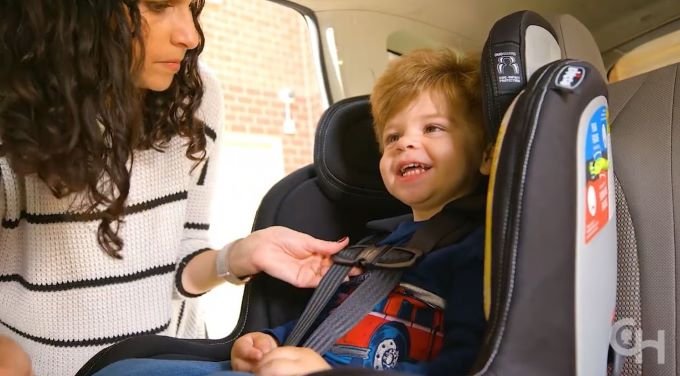
Blog author Lindsey Mitros is featured with her son, Nolan, in CHOP’s “Car Seat Safety for Kids: Toddlers in Forward-Facing Seats” video.