Research In Action
Research In Action
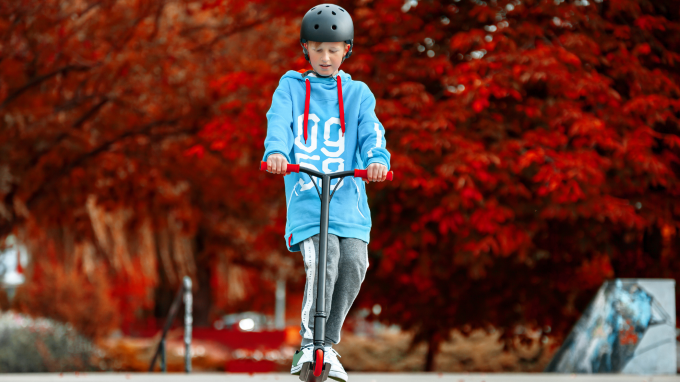

E-bikes and e-scooters have soared in popularity in recent years. These e-mobility devices, defined as small personal transportation devices powered by electricity, offer health and transportation benefits for adults. However, e-mobility devices can also be dangerous: Dr. J. Todd Lawrence, attending pediatric orthopedic surgeon at CHOP, and his team found that pediatric e-scooter injuries in the National Electronic Injury Surveillance System database (NEISS) rose by 71% between 2020 and 2021. In light of some recent changes to New Jersey laws regarding e-bikes, I recently spoke with Dr. Lawrence and two members of his research team, Lexi Olsen and Madison Kesler, about what parents should know about e-bikes and e-scooters.
Note: Some groups also use the term e-moto to refer to electric motorcycles and mopeds which can travel at very high speeds. E-motos can resemble e-bikes but are not always street-legal devices.
Why are e-bikes and e-scooters more dangerous than traditional bikes and scooters from an injury prevention perspective?
Unlike traditional bikes and scooters whose acceleration and ultimate speed are regulated and limited by the efforts of the rider, e-bikes and e-scooters can accelerate faster and travel at much higher top speeds irrespective of the strength or size of the rider. Many e-bikes and e-scooters can travel up to 30 mph or higher with an adult rider. Smaller and lighter-weight children who ride them can thus accelerate very quickly and often lose control.
The design of these e-vehicles also puts children who ride them at increased risk for crashes. The small tires on e-scooters can easily catch on potholes or curbs which can cause sudden stops and falls. While traditional scooters also have small wheels that can catch on such obstacles, the faster speeds of e-scooters make a sudden stop more consequential. E-bikes also have heavier structural framing and increased mass, which can lead to greater energy transfer and more severe internal injuries in the event of a crash. Because of their speed, both e-bikes and e-scooters encourage riders to integrate with traffic on the road. As such, riders of these devices are also more frequently involved in high-energy collisions with cars or other objects.
Are you seeing more children coming into your department as a result of e-scooter and e-bike injuries? What does the data say about nationwide trends?
Absolutely. Our research reviewing more than 13,000 injuries in children found that e-scooter injuries rose more than 70% between 2020 to 2021. National trends also suggest an increase in e-scooter and e-bike injuries from 2017 to 2024, especially as adults increasingly view these vehicles s a convenient and affordable means of transportation.
Why are e-bikes and e-scooters so appealing to children?
E-bikes and e-scooters make it easier to climb hills and provide smooth riding without the physical effort needed with traditional bikes and scooters. This can be very appealing to young children who want fun, high-speed thrill rides that can keep pace over longer outings.
The growing popularity of these vehicles has also made them status symbols among children, who enjoy riding them together with peers. We are concerned that some companies are aggressively marketing them to children along these lines.
If you could leave parents with one key message about e-bike and e-scooter safety, what would it be?
The number one message for parents would be to ensure that their child wears a helmet if they ride on an e-bike or an e-scooter. Our research on e-scooter injuries found that the most common area where children were injured is the head or face, and that most children were not wearing helmets at the time of the crash. Protecting your child’s head and face to guard against concussions and brain injuries is essential, whether they are riding a high-powered e-vehicle or traditional bike or scooter.
We would also like parents who are considering an e-bike or an e-scooter purchase to approach the decision as they would purchasing a motorcycle rather than a normal bike. While some parents may accept the increased risks associated with motorcycles, many parents who are considering the purchase of an e-mobility device may not necessarily understand that e-mobility devices also have a similar increased risk of injury.
What role can pediatricians and other healthcare providers play in helping families make informed decisions about e-bike and e-scooter use?
We encourage pediatricians to incorporate advocating for helmet use for their patients who choose to ride any type of e-bike or e-scooter. Informing families about the increasing trends in e-bike and e-scooter injuries in children, as well as the fact that many of these vehicles were not optimized for children’s smaller bodies, may help to reinforce this critical message. Pediatricians can also advise their patients who ride e-vehicles to stay on even and level pavement, and far away from busy roadways, cars, and pedestrians.
For families who are considering an e-mobility device, we encourage pediatricians to help families view these devices more as motorcycles rather than conventional muscle powered devices.