Research In Action
Research In Action
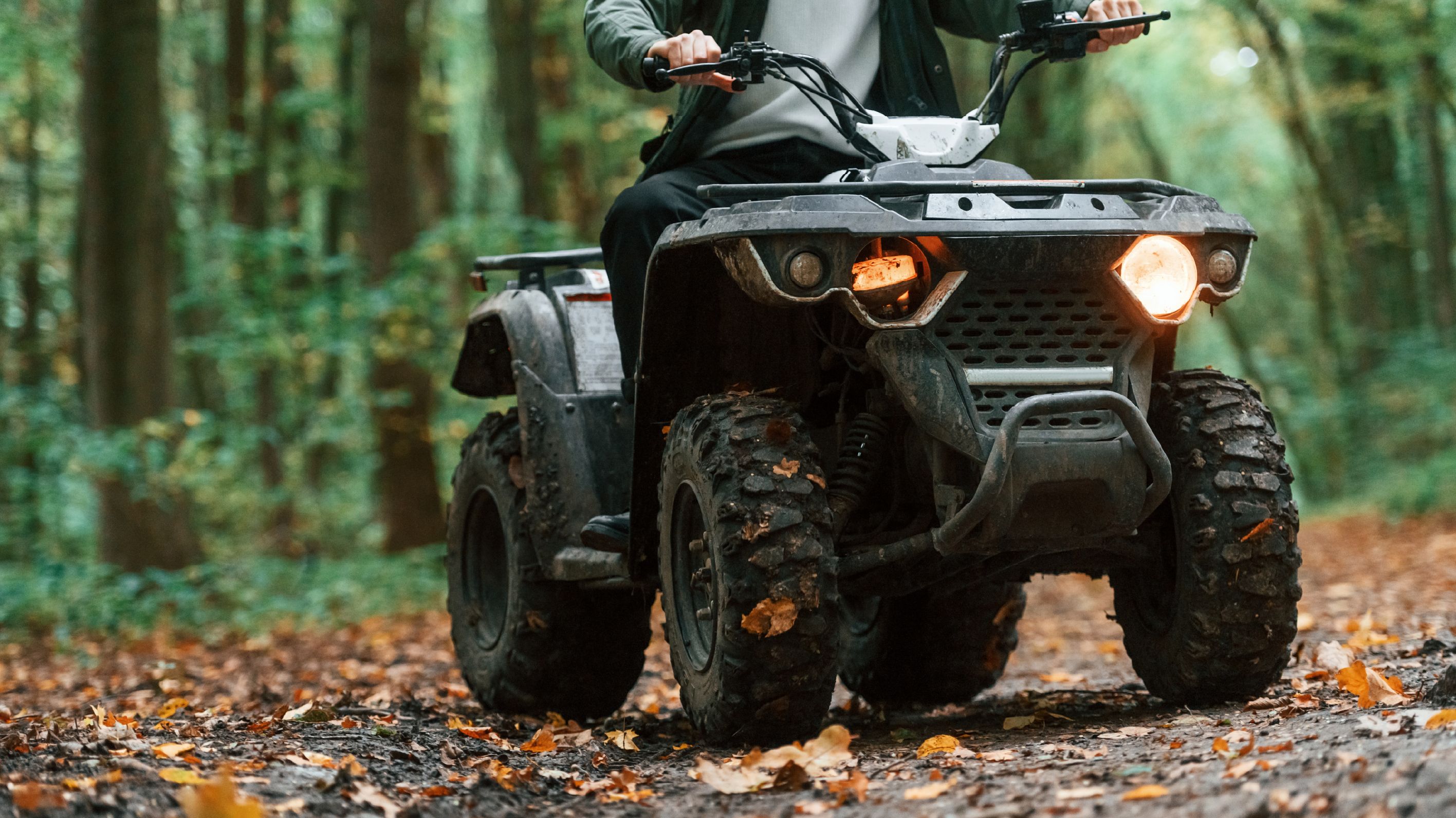

Moderator's note: This post is part of our ongoing series highlighting articles from the "Preventing Unintentional Injuries Among Children and Youth" issue of Pediatric Clinics of North America. Today’s entry, written by Dr. Holly Hanson, features the article “Wheels of Misfortune: All-Terrain Vehicles and Utility Task Vehicles”. Dr. Holly Hanson is a pediatric emergency medicine physician at Cincinnati Children's Hospital and Associate Professor in the University of Cincinnati Department of Pediatrics.
Pediatric all-terrain vehicle (ATV) and utility task vehicle (UTV) injuries are both predictable and preventable. In our recent review article in Pediatric Clinics of North America, we examine the growing public health burden of pediatric injuries and deaths associated with ATVs and UTVs, also known as side-by-sides. Although these vehicles are widely marketed for recreation and farm work, they remain fundamentally unsafe for children and adolescents. Yet they continue to grow in popularity, and pediatric use continues to result in devastating injuries, permanent disability, and death.
ATVs and UTVs are not designed for kids
- Designed for older riders: Most ATVs/UTVs are intended for operators aged 16+, requiring skills and judgment younger children typically lack.
- Large and powerful: These vehicles can weigh up to 1,000 pounds and have high-powered engines, making them difficult for children to control safely.
- Rollover risk: Their high center of gravity and other design features increase the likelihood of rollovers, especially for inexperienced riders.
- Limited child protection: Safety restraints and seat belts are generally designed for older children and adults and may not adequately protect younger riders.
ATVs and UTVs: Injury Patterns
ATVs and UTVs are engineered exclusively for off-road use. Despite clear manufacturer warnings, roadway riding remains common and substantially increases crash risk. UTVs present additional hazards. Although UTVs are equipped with seat belts and rollover protection structures, restraint use among injured children remains strikingly low. Many serious crashes involve occupants who are ejected from the vehicle and subsequently crushed during a rollover.
The burden of injury among children remains alarmingly high. Between 2018 and 2022, children younger than 16 years experienced an estimated 27,000 ATV-related emergency department visits annually. Nearly 50% required hospitalization. Traumatic brain injury is the leading cause of death and long-term disability, while extremity fractures, spinal cord injuries, crush injuries, and multisystem trauma are also common.
Reducing Pediatric Injury Burden
Reducing pediatric ATV and UTV injuries will require a comprehensive prevention strategy that combines engineering improvements, education, legislation, and enforcement.
- Engineering: Require ATV crush-protection devices, passenger-deterring seat designs, and evidence-based youth vehicle standards; improve UTV occupant protection with seat belt interlocks, enhanced restraints, higher doors, and enclosed cabs.
- Education: Strengthen anticipatory guidance, screen for ATV/UTV use, and reinforce AAP safety recommendations.
- Policy & Enforcement: Promote evidence-based laws, including helmet requirements, age restrictions, mandatory training, and limits on recreational roadway use.
Ultimately, pediatric ATV and UTV injuries are not random accidents—they are foreseeable and preventable events. Clinicians, policymakers, educators, and community leaders must recognize ATVs and UTVs as a significant pediatric injury hazard and prioritize stronger prevention efforts. With greater awareness, safer policies, and sustained advocacy, we can reduce these injuries and prevent more children from being seriously injured or killed.