Research In Action
Research In Action
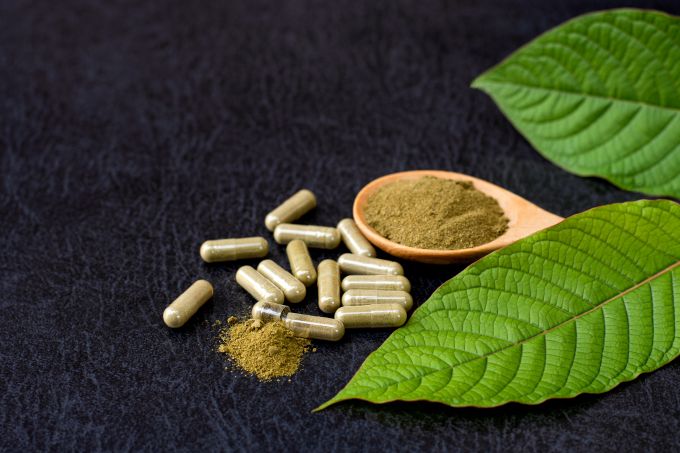

Kratom, and drugs derived from or related to kratom, have been widely available in Pennsylvania and Delaware and have been causing injury in our community. The public health system has been trying to gather and evaluate information and to evolve policy. The Poison Control Center at CHOP, and the members of America’s Poison Centers, have been important partners in this work.
The U.S. Centers for Disease Control has recently published a National Poison Data System analysis of kratom-related cases reported to poison centers. The Center for Injury Research and Prevention previously shared the Poison Control Center at CHOP’s regional alert about kratom and 7-hydroxymitragynine (7-OH) drugs being sold at smoke shops, convenience stores, gas stations, and from online vendors. The Poison Control Center team has given testimony on the concerns posed by these drugs to Philadelphia City Council, and lectured on The Lows of Legal Highs, including kratom analogs, at the 2026 American Academy of Pediatrics’ National Conference and Exhibition.
The array of kratom-related drugs has become wider and more dangerous, and this post aims to define and demystify the problem.
What are the “kratom” drugs?
| Kratom | The herbal product known as kratom usually refers to the leaves of the Asian tree Mitragyna speciosa. In common cultural use leaves are chewed, or brewed into a tea, for a mild stimulant effect. The dangers of kratom use are amplified when the active ingredients are concentrated or manipulated in a chemistry laboratory. |
| Mitragynine | The major drug chemical in kratom. Recently in the U.S. it has been sold as concentrated powders, capsules, extracts, and candies. At high doses it has opioid effects in the body and can cause injury and addiction. |
| 7-hydroxymitragynine (“7-OH”) | A semi-synthetic derivative of mitragynine; although found in trace amounts in nature it is chemically manufactured for sale as a drug. |
| Mitragynine pseudoindoxyl (“pseudo” or “MP”) | A semi-synthetic derivative of 7-OH. Our poison center has followed cases of “pseudo” intoxication that have seemed especially severe and prolonged. |
| Dihydro-7-hydroxymitragynine (“MGM-15”) | Another semi-synthetic derivative of 7-OH that has been found in commercially sold kratom products. |
| 9-fluoro-dihydro-7-hydroxymitragynine (“MGM-16”) | Another semi-synthetic derivative of 7-OH of concern. |
Other chemicals which have been isolated from commercially sold “kratom” products include 8-hydroxymitragynine, 11-hydroxymitragynine, 7-acetoxymitragynine, corynantheidines, corynoxines, paynantheine, speciociliatine, speciogynine, and others.
Neither kratom, concentrated mitragynine, nor the various mitragynine derivatives have been U.S. FDA approved for use. Consumers should be aware that the unregulated manufacture of these products may not have quality control, and it is often impossible to know what the ingredients are or what the doses are. Unfortunately, most hospital laboratories can’t test for kratom or its analogs.
What Pediatric Medical Problems are Being Seen with Mitragynine and Its Related Drugs?
In the past month, The Poison Control Center has been consulted on several different clinical problems associated with “kratom” products:
- Neonatal Opioid Withdrawal Syndrome associated with kratom use in pregnancy
- Concerns about infant breastfeeding during maternal kratom use
- Unresponsive toddler-aged children hospitalized in intensive care after exploratory ingestion of kratom drugs
- Adolescents with obtundation hospitalized in intensive care from kratom product use
- Adolescents seeking treatment for withdrawal symptoms after stopping chronic kratom use
At the most recent North American Congress of Clinical Toxicology (San Diego, 2026) thirteen case report and epidemiological abstracts were presented with a focus on kratom-associated drugs including some of the best documentation, to date, of fatalities associated with laboratory-confirmed mitragynine use.
Some Medical Tips When Treating Mitragynine Toxicity
- Immediately give support to breathing for patients obtunded from mitragynine poisoning.
- Our Poison Control Center presented research data that naloxone may be used to reverse the opioid-like effects of mitragynine (Abstract #23).
- Be aware that mitragynine-related drugs are often used along with other drugs, especially opioids.
- Monitor for other organ system toxicities such as liver or kidney injury or muscle breakdown.
- When possible, get details on the precise “kratom” product involved and carefully record the purported brand name and content.
- Opioid-withdrawal associated with cessation of “kratom” use may be treated with suboxone protocols used for other opioids.
- Report all cases to the Poison Control Center at 1-800-222-1222.
What is the Government Doing About “Kratom” Sales?
Mitragynine pseudoindoxyl, MGM-15, and MGM-16 were designated Schedule I drugs as of August 26, 2026. The U.S. DEA is currently proposing additional Schedule 1 restrictions applicable to 7-OH.
- In Delaware, a Kratom Consumer Protection Act became effective on September 8, 2026.
- In Pennsylvania, a Kratom Standards, Labeling, and Consumer Protection Act unanimously passed approval in the House of Representatives but has not yet become law.
- Philadelphia has passed a Philadelphia Intoxicating Substances Ordinance.
Investigative reporters from the Philadelphia Inquirer have detailed how drug sellers are always positioning themselves to stay one step ahead of legislative restrictions.
If you are concerned about a kratom exposure or side effect, please call the Children’s Hospital of Philadelphia (or your own regional) Poison Help Hotline at 1-800-222-1222 to be connected to a specialist. If a person is having trouble breathing or loss of consciousness call 911.