Research In Action
Research In Action
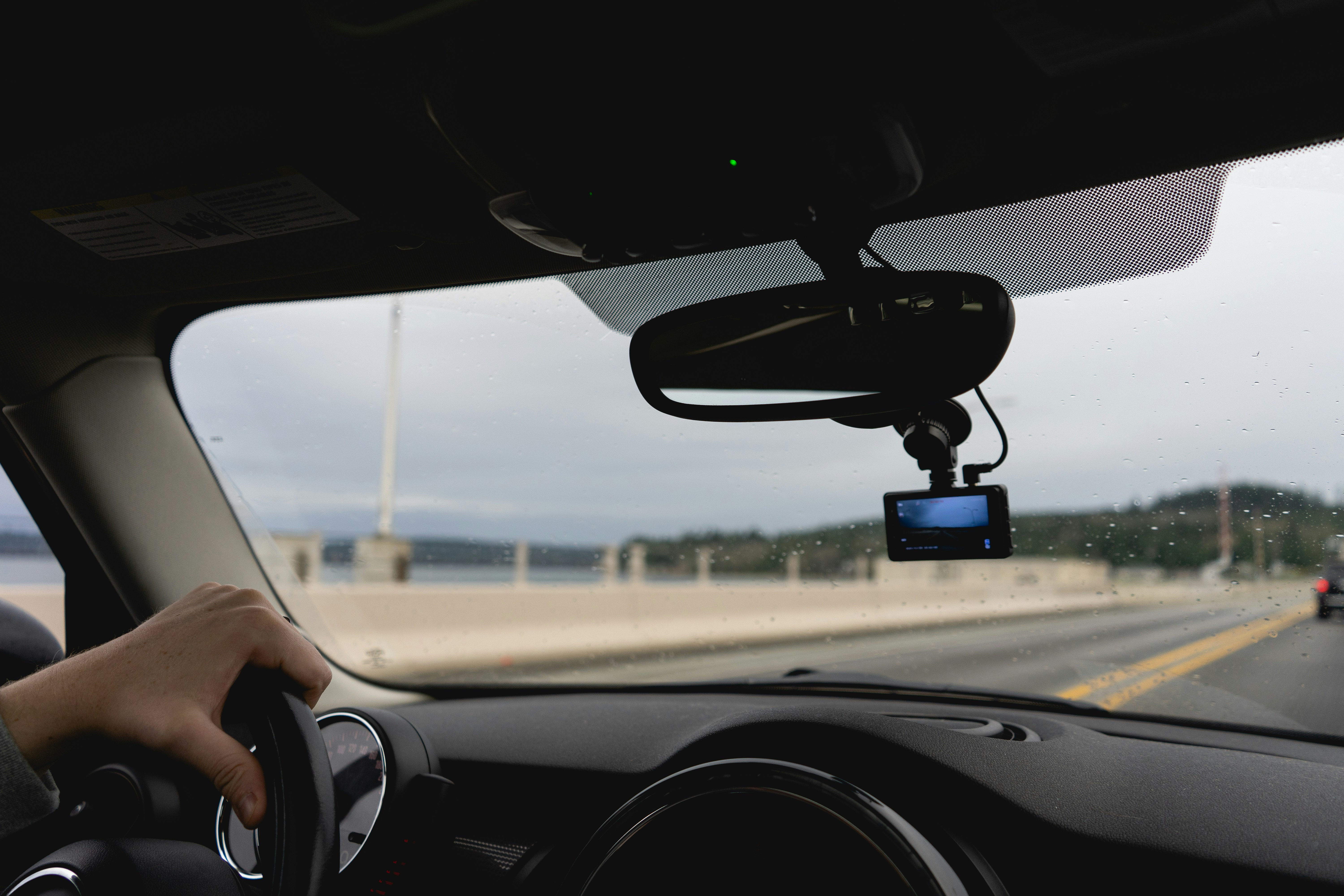

Dash cameras have traditionally been promoted as tools for documenting crashes, resolving insurance disputes, and improving accountability on the road. But a recent Wall Street Journal report highlights a concerning dangerous trend where some young drivers are using dash cams not simply to record what happens while driving, but to create social media content by provoking, staging, or escalating risky situations behind the wheel.
The compelling videos include close calls, confrontations with other motorists, high-speed maneuvers, and unexpected roadway encounters packaged into short clips for TikTok, Instagram, YouTube, and other platforms. For some creators, millions of views can translate into followers, sponsorships, and even income. That incentive structure raises an important injury-prevention concern. When dramatic driving produces engagement, the boundary between recording risky behavior and creating risky behavior begins to blur.
For adolescents and young adults, this trend deserves particular attention. Motor vehicle crashes remain a leading cause of death for U.S. teens, and drivers ages 16–19 have a substantially higher crash risk than older drivers. In 2024, speeding was a factor in 33% of passenger-vehicle teen drivers involved in fatal crashes, while distraction continues to contribute to thousands of deaths and hundreds of thousands of injuries across all ages each year.
Social media may add another layer to these established risks. Young drivers do not need to be actively holding a phone for online content creation to influence their behavior. The knowledge that a camera is recording, and that an unusual encounter might become the next viral video, can potentially reward showmanship, aggressive driving, confrontation, or risk-taking. Widely viewed clips may also normalize these behaviors for other inexperienced drivers, particularly when dangerous actions are presented primarily as funny, skillful, or entertaining rather than as potentially lethal.
Prevention efforts should address driving for content as an emerging form of social-media-influenced risk-taking. Clinicians and families can explicitly include filming, performing, racing, provoking other drivers, and posting roadway stunts in conversations about safe driving. Platforms and content creators also have an opportunity to avoid rewarding or amplifying dangerous driving.
Dash cams can be valuable safety tools. The danger arises when the camera changes the reason someone is driving, and making the road more dramatic becomes part of the performance.

Related Content