Research In Action
Research In Action
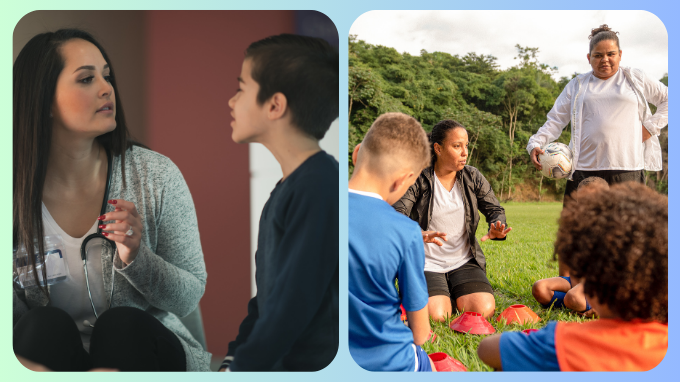

Far beyond the clinical setting, concussion education can have a positive impact on the health of children and adolescents. The Minds Matter Concussion Program at Children’s Hospital of Philadelphia has previously studied how targeted education can improve knowledge, attitudes, and perceptions about concussion among young people.
Recently published research in the Journal of School Nursing highlights our latest findings identifying opportunities for targeted, community-specific education for school nurses and youth athletic program leaders in urban community settings to address gaps in concussion management for youth.
Through interviews and questionnaires, the Minds Matter team gathered information from school nurses and youth athletic program leaders in the greater Philadelphia area about their concussion knowledge, education, and needs in caring for youth with concussions. Study participants were also asked to describe policies within their school or organization regarding concussion prevention, identification and recovery, as well as perceived barriers to concussion-related care for the children they support.
Three common themes emerged:
Youth athletic program leaders and school nurses recognize their role in managing concussion for young people, but welcomed more education on the subject. School nurses and youth athletic program leaders were knowledgeable about concussion and recognized their role in supporting concussion care for youth. However, they identified opportunities for more education tailored to their setting and up-to-date training to support their care for youth in urban community settings.
System-level gaps in concussion oversight exist beyond organized sports, as many nurses and athletic program leaders cited challenges when the injury occurs in a non-sport or recreational setting. While athletic program leaders connected to a club or school sports team had mostly received some structured education on concussions, many leaders from recreational organizations had not received a similar type of training. Beyond sport, school nurses reported challenges with concussion protocols for students injured outside of school or organized sports. These youth do not fall within specific guidelines and monitoring practices often in place for students who participate in organized sports. They also noted that elementary school-aged children presented unique challenges as they may not be injured in organized sports and, as such, are often overlooked in structured return to activity plans.
Issues including concussion awareness among families, parental engagement, language barriers, and access to health care, were identified as barriers within urban community settings, negatively impacting concussion diagnosis, recovery, and re-entry into school or sports. These barriers may affect a concussed youth’s ability to follow up with a medical professional. This directly impacts outcomes as we know that timely and consistent follow-up care can improve time to concussion recovery and return to regular activities.
These findings highlight the key role that school nurses and leaders of athletic and recreational programs play, particularly in urban settings, within a concussion-aware community that is optimized to support children after injury. From our findings, we have identified opportunities for continuing education and a need for resources for these individuals who play a crucial role in the management of concussion following injury. We hope these findings can inform decisions regarding concussion education and policy development in schools, recreation centers, and community-based after-school programs. By focusing on developing targeted training and resources for these settings, leaders can help to address disparities that impact the overall health outcomes of children at all ages following injury.