Research In Action
Research In Action
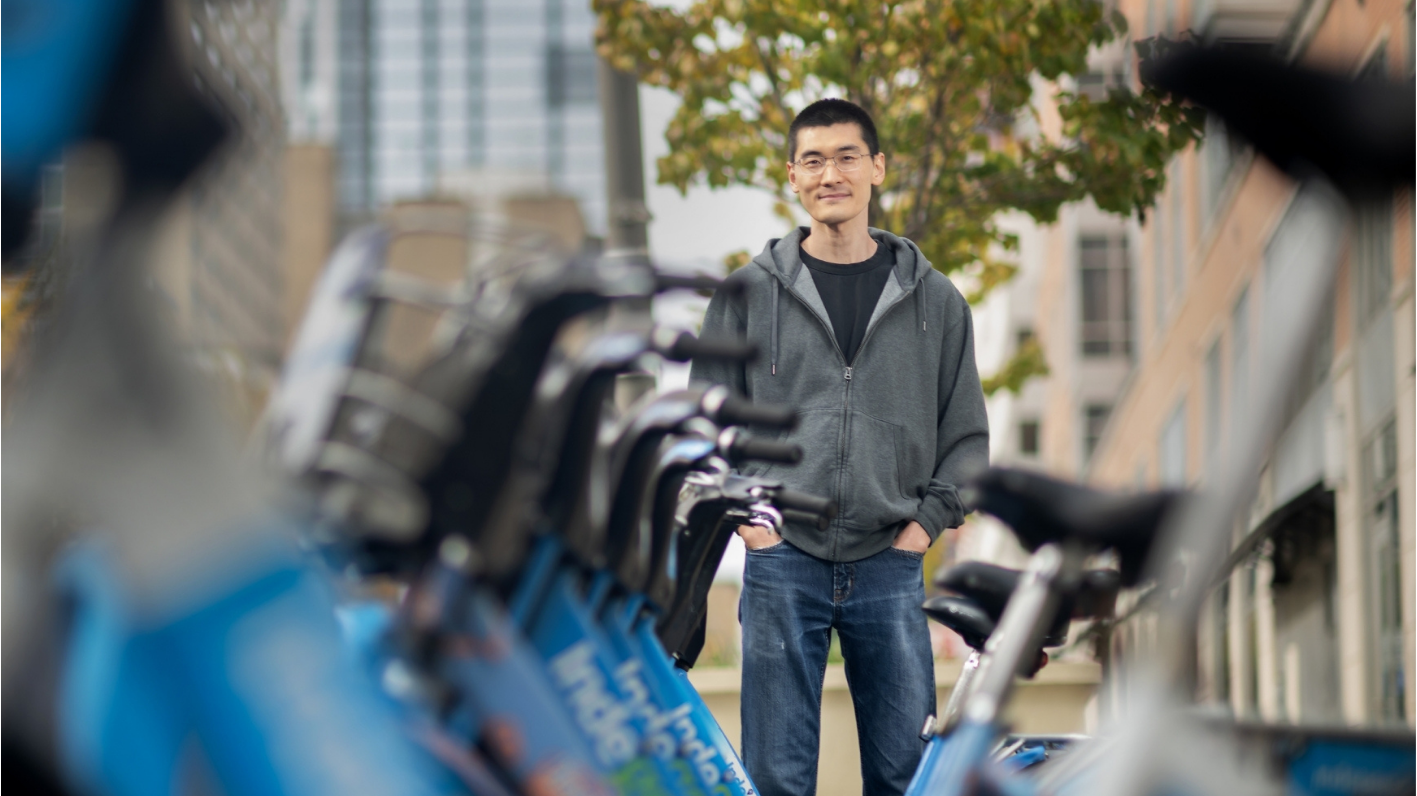

I’m pleased to introduce Xiaoxia Dong, PhD, who recently joined the Center of Injury Research and Prevention (CIRP) at CHOP as an Affiliate Research Scientist. Xiaoxia is an Assistant Professor of City & Regional Planning at the Weitzman School of Design at the University of Pennsylvania. Xiaoxia completed his Master of City Planning and PhD at the University of Pennsylvania. After completing a postdoctoral fellowship at Johns Hopkins University, Xiaoxia returned to the University of Pennsylvania where he studies vulnerable road users and how new transportation services and technologies like rideshare impact travel behavior and land use.
For the past several years, Xiaoxia has collaborated with the Neuroscience of Driving team on young driver licensing and training research. This collaborative work exemplifies the cross-disciplinary collaborations that are an integral part of injury prevention science at CIRP. I interviewed Xiaoxia about what motivated him to pursue a degree in city planning, how his research with the Neuroscience of Driving team has impacted policy in Ohio, and a bike lane study in partnership with the City of Philadelphia.
What led you to pursue a degree in urban planning?
Growing up in Beijing, I witnessed rapid changes that the city went through, as well as the benefits and issues that came with them. My experience made me think about what makes a city work and how cities can affect residents’ quality of life. In high school, I read “The Death and Life of Great American Cities” by Jane Jacobs. A lot of the stuff in the book resonated with me. I decided to study urban planning in college and have been hooked since.
What excites you the most about urban planning and/or your line of research?
I study transportation access, mobility, and safety for vulnerable populations. I’d like to think that my research helps inform practice that makes people’s lives better. It is a fun time for my line of research because new technologies and services like driverless cars, E-scooters, and Uber/Lyft have opened up lots of exciting possibilities for how people move and how cities grow.
What impact has your young driver research had on policy in Ohio?
My colleagues and I found disparities in access to driver’s education among teens of different income levels. These findings have informed Ohio’s scholarship program for low-income teens to access driver’s education. We’ve also worked closely with Ohio to investigate the different pathways of getting a driver’s license between teens living in urban and rural areas, and the elevated risk of being involved in severe crashes for young drivers who did not take driver’s education.
What urban planning research have you done in the Philadelphia region and what have you learned?
I’ve studied how ride-hailing services such as Uber and Lyft affect SEPTA ridership, how people travel, and congestion in Center City. I found that, coinciding with the growth of ride-hailing services, SEPTA ridership decreased and congestion worsened. I’ve also examined contributors to traffic crashes in the Philadelphia region. I found that big, fast urban arterials, which were already more dangerous than other types of roads pre-COVID, became even deadlier post-COVID. COVID also widened the disparity in fatal crashes between neighborhoods with higher and lower poverty rates.
Are there any other research projects you’re especially proud of that we haven’t talked about yet?
I am working with the City of Philadelphia to examine what kind of bike lanes are most effective at reducing crashes. Or as one of my students puts it, what kind of bike lanes get the city less bang for its buck. Findings will inform the city’s investment and prioritization decisions for biking infrastructure moving forward.